How New Windows and Doors Can Improve Light, Comfort, and Energy Efficiency in Homes in 2026
The windows and doors of a home do far more than shape its visual character. They regulate how much natural light comes in, how well interior temperature stays steady, and how effectively the structure resists outside noise, moisture, and air infiltration. For many homeowners, these things go unnoticed until a problem becomes obvious — a drafty room in winter, a utility bill that keeps climbing, or a door that won't seal correctly once the weather turns.
In 2026, residential construction standards and building codes continue to push toward stronger energy performance and indoor environmental quality. That shift has made evaluating or replacing windows and doors more relevant than it was in past decades. Understanding what actually drives these decisions, and how the process typically works, helps property owners make calmer, better-informed choices about their homes.
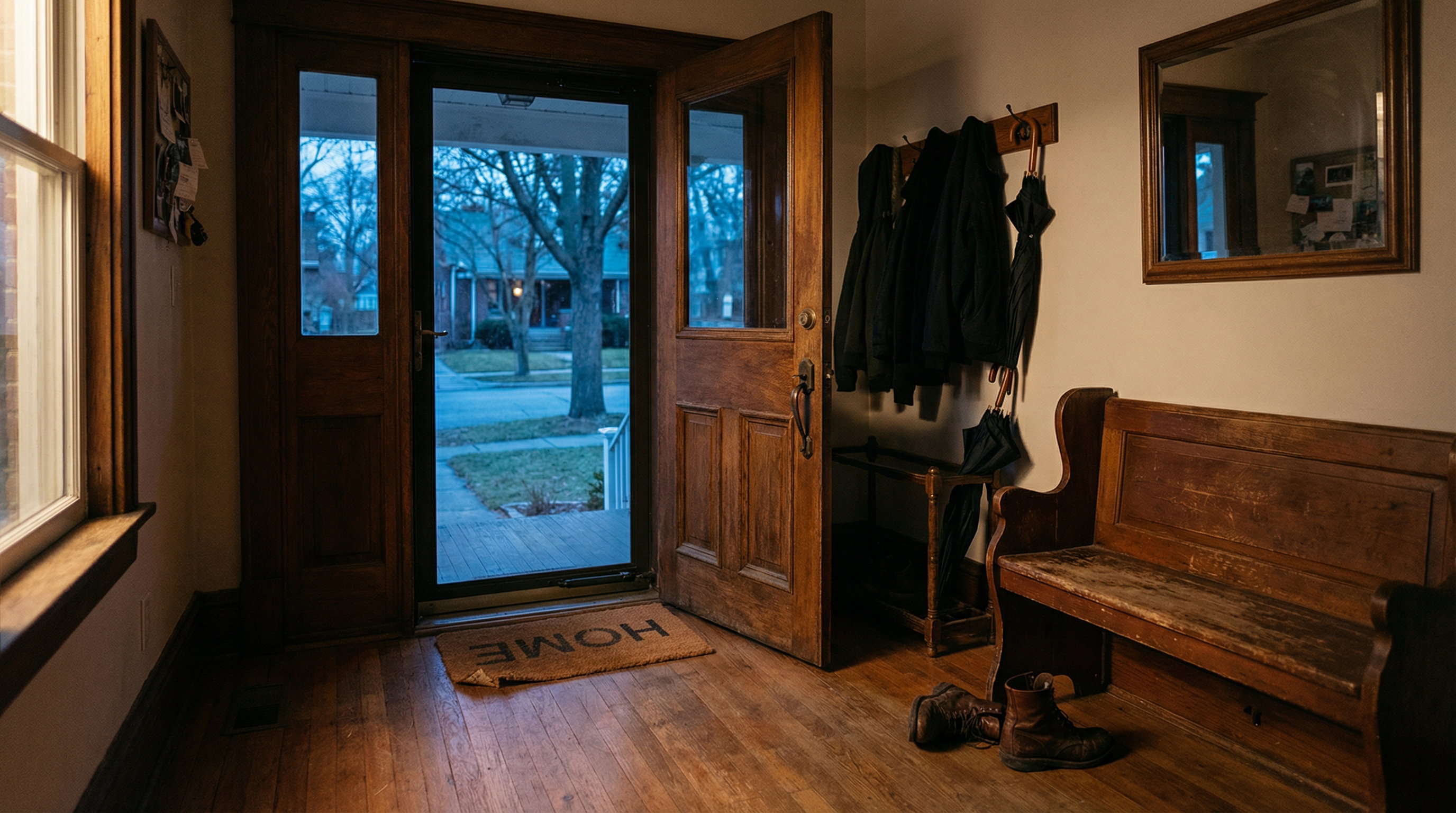
What Are Windows and Doors Installation Services?
Windows and doors installation services cover the professional assessment, supply, installation, and replacement of window units and door systems for residential or light commercial properties. This spans a wide range of products — single- or double-hung windows, casement, awning, and sliding types, along with entry doors, patio doors, French doors, and storm door setups.
This work involves more than swapping one unit for another. A correct installation requires precise measurement, solid structural preparation, weatherproofing, sealing, and finishing so the new unit actually performs as intended. Nearby trim, framing, or flashing often needs attention too, to prevent water intrusion or drafts at those transition points.
Who Typically Uses These Services?
Windows and doors services are relevant across a wide range of residential situations. Homeowners in older properties often find original windows and doors no longer meet current performance expectations, particularly around insulation or resistance to air and water penetration.
Property owners preparing a home for sale may consider upgrades to address visible wear or improve exterior appeal. Landlords managing rental units sometimes check windows and doors as part of routine upkeep, especially after tenant turnover reveals gradual deterioration that wasn't obvious day to day. Homeowners undertaking larger renovations — a room addition, exterior remodel, or broader energy-performance improvements — often fold window and door replacement into the overall project as a companion upgrade.
When Is It Relevant to Consider Window and Door Replacement?
A few practical triggers tend to prompt a closer look at existing windows and doors.
Obvious energy loss is one of the most common. When indoor temperatures become hard to maintain near windows or an exterior door, it often signals the current units aren't providing enough thermal separation between inside and outside.
Condensation forming between glass panes is another clear signal — usually meaning the seal inside a double- or triple-pane unit has failed, reducing insulating performance and creating a foggy appearance, especially noticeable during rapid temperature swings.
Physical wear — warping, cracking, rotting frames, or hardware that no longer functions properly — is also worth checking, since continued use can let moisture problems spread into the surrounding wall framing over time.
Noise from outside is a factor many homeowners underestimate. Upgrading to newer window systems with improved glazing often delivers a meaningfully better acoustic result than older single-pane units, even ones that still "look" fine.
How the Process Generally Works
- Initial Assessment — A qualified contractor evaluates existing windows and doors, noting condition, measurements, performance issues, and the surrounding framing and wall assembly.
- Product Selection — Based on the assessment and the homeowner's priorities (energy performance, appearance, sound reduction, or some combination), the right products are selected, factoring in frame material, glass configuration, and hardware options.
- Measurement and Custom Ordering — Many residential units are ordered to specific dimensions to fit existing rough openings. Accurate measurement here is critical to avoid gaps, misalignment, or the need for significant structural modification during installation.
- Preparation and Removal — Existing units are carefully removed to minimize damage to surrounding finishes. The rough opening is then inspected and prepped for any moisture issues, rot, or structural irregularities before new units go in.
- Installation and Sealing — New windows and doors are set, leveled, and secured within the opening. Flashing, insulation, and sealants are applied at all transition points to create a continuous weather barrier.
- Finishing and Inspection — Interior and exterior trim is installed or restored, and the finished installation is tested for proper operation, air tightness, and visual alignment before the project is considered complete.
ProBrothers works with residential property owners on windows and doors projects, particularly where energy performance upgrades, exterior renovation, or full unit replacement are involved, guiding homeowners from product selection through installation to project completion.
A Framework for Evaluating Window and Door Performance
Most guides describe window and door types. Fewer explain how to actually weigh performance ratings against your specific climate and situation. Here's the evaluation sequence we'd recommend before selecting a product.
1. Start with your climate zone, not the product's marketing claims. Two performance metrics matter most: U-factor (how well a window resists heat transfer — lower is better in cold climates) and Solar Heat Gain Coefficient, or SHGC (how much solar heat passes through — lower is better in hot, sunny climates, higher can be useful in cold climates for passive heat gain). A product optimized for a hot, sunny region can underperform in a climate with cold winters and large temperature swings, and vice versa.
2. Treat frame and glass as one system, not two separate purchases. A high-performance glass package installed in a poorly insulated frame won't deliver its rated performance, and a premium frame with basic glass has the same problem in reverse. Evaluate the assembly as a whole rather than optimizing one component in isolation.
3. Weight installation quality as heavily as the product spec sheet. A top-rated window installed with inconsistent air sealing or poor flashing will underperform its rating in practice. Ask specifically how a contractor handles air sealing and flashing at the rough opening — not just which brand of window they carry.
4. When frames are deteriorating, assess the full unit, not just the glass. Replacing only the glass insert or sash while leaving a compromised frame in place often means the underlying cause of poor performance stays unresolved. A full assessment should evaluate frame condition and glazing together.
5. Evaluate doors on thermal performance, not just appearance. Exterior doors are part of a home's thermal envelope. Insulation core rating, weather stripping quality, and proper threshold sealing matter as much as the door's insulation value on paper — a beautiful door with a poor seal can undercut a chunk of the benefit from a window upgrade elsewhere in the home.
A Real Example: Matching Modern Performance to Historic Character
An abstract description of "energy-efficient door replacement" doesn't capture what that actually requires in a home with existing architectural character. Here's how that played out on an actual project.
A homeowner in a historic property needed exterior door replacement, but the openings didn't match standard modern sizing — a common situation in older homes built before contemporary door dimensions became standardized. Meeting the client's goal meant sourcing and installing doors built to non-standard sizes specifically to preserve the home's historic character, while still ensuring the finished installation met current building code requirements for the property.
This kind of project illustrates a tension that a generic "replace your old windows" recommendation doesn't address: performance upgrades and architectural preservation aren't always aligned by default, and reconciling them takes more than picking a product off a shelf. The trade-off wasn't between "historic" and "efficient" — it was in the sourcing and installation approach needed to get both at once, which is a meaningfully different problem than a standard-size replacement in a newer home.
Common Misconceptions and Mistakes
Assuming all window products perform equally. Performance ratings vary significantly based on glass configuration, frame material, and installation quality. Choosing a product based on appearance alone, without checking energy ratings or frame specifications, often leads to disappointing results later.
Overlooking installation quality. A top-tier window installed incorrectly will underperform its rating. Air sealing, flashing, and how the unit ties into the wall assembly matter as much as the product itself — poor installation is one of the most common reasons expected energy savings don't materialize, or fall well short.
Replacing only the glass. When frames have deteriorated significantly, swapping only the glass insert or sash without addressing the frame can leave the underlying performance issue in place. A full assessment should inspect both components together.
Ignoring local climate considerations. Window performance ratings aren't one-size-fits-all. Products well-suited to a hot, sunny climate can underperform in a region with cold winters and large temperature swings. Local climate should steer product selection — particularly SHGC and U-factor ratings.
Treating door replacement as a purely cosmetic decision. Exterior doors are a meaningful part of a home's thermal envelope. A poorly sealed or under-insulated door can undo much of the benefit gained from a window upgrade elsewhere in the home.
Assuming a bigger window automatically means more usable natural light. Window placement, orientation, and glazing type affect how light actually behaves in a room as much as size does. A large west-facing window with the wrong glazing can introduce more glare and heat gain than genuinely useful daylight.
Window Performance Ratings: A Quick Reference by Climate
| Rating | What It Measures | Prioritize a Lower Number When... | Prioritize a Higher Number When... |
|---|---|---|---|
| U-Factor | Rate of heat transfer through the window (lower = better insulation) | You experience cold winters and want to minimize heat loss | Rarely a case for prioritizing higher — lower is generally better everywhere |
| SHGC (Solar Heat Gain Coefficient) | Amount of solar heat passing through the glass | You experience hot summers and want to limit unwanted heat gain | You experience cold winters and want passive solar heat gain in winter months |
| Air Leakage (AL) | Rate of air infiltration through the window assembly | Always — lower air leakage improves comfort and efficiency in any climate | Not applicable |
| Visible Transmittance (VT) | Amount of visible light passing through the glass | Rarely a priority to minimize, unless glare control is a specific concern | You want to maximize natural daylight in the space |
Climate zones with both hot summers and cold winters (much of the Mid-Atlantic and Northeast, for example) often call for a balance — moderate SHGC and a strong U-factor — rather than optimizing for one season at the expense of the other.
ProBrothers' Point of View
We install windows and doors across Media, PA and the surrounding Delaware County area — including Springfield, Swarthmore, Broomall, and Upper Darby — and the pattern we see most often isn't a bad product choice. It's a mismatch between the product and either the climate or the installation approach. A homeowner picks a window based on how it looks in a showroom, without the frame and glass package actually being matched to how our winters and summers both show up here.
We handle windows and doors as part of an in-house team rather than routing the work through subcontractors, specifically because air sealing and flashing quality — the parts of the job that don't show up in a product brochure — are where performance is actually won or lost. A well-rated window installed with inconsistent sealing simply won't perform to its spec sheet, and that gap is one of the more common reasons homeowners feel underwhelmed by an upgrade that should have worked.
We've also worked on projects where the goal wasn't just efficiency but preserving a home's original character — sourcing non-standard door sizing for a historic property so it could meet current performance and code requirements without looking out of place. Those projects take more coordination than a standard swap, but they're a good example of why we treat product selection and installation as one connected decision, not two separate steps.
Frequently Asked Questions
What's more important for energy efficiency: the window's U-factor or its SHGC rating?
Both matter, but which one to prioritize depends on climate. Cold-climate homes generally benefit most from a low U-factor to minimize heat loss. Hot-climate homes benefit more from a low SHGC to reduce unwanted solar heat gain. Homes with both hot summers and cold winters typically need a balance of the two rather than optimizing for just one.
Can I just replace the glass in an old window instead of the whole unit?
Sometimes, but only if the frame itself is still in good condition. If the frame has deteriorated, rotted, or warped, replacing just the glass insert leaves the underlying performance and moisture issue unresolved.
How do I know if my window or door problem is a product issue or an installation issue?
Persistent drafts, visible gaps, or condensation issues that appear shortly after a new installation often point to installation quality — air sealing and flashing — rather than the product itself. A properly installed, well-rated window shouldn't show these issues under normal conditions.
Does upgrading windows actually reduce outside noise?
Yes, in most cases. Upgraded glazing, particularly double- or triple-pane assemblies with modern spacer technology, typically provides noticeably better sound dampening than older single-pane windows, even ones that appear to be in good condition.
Is it worth replacing doors if I'm only planning to upgrade my windows?
It depends on the door's current condition and seal quality. An exterior door with poor weather stripping or an under-insulated core can offset a meaningful portion of the efficiency gains from new windows elsewhere in the home, since both are part of the same thermal envelope.
How do I match new windows to an older or historic home without losing its character?
This usually requires custom or non-standard sizing to fit original openings, along with careful attention to trim and exterior detailing that matches the home's existing style. It's a more involved process than a standard replacement, but it allows performance upgrades without compromising the home's architectural character.

Conclusion
Windows and doors are functional parts of a home's performance system, not just visual elements. Their condition, configuration, and installation quality all affect day-to-day comfort, long-term energy use, and the building envelope's overall integrity. As energy efficiency requirements continue to rise and homeowners pay closer attention to operating costs, understanding how these services work — and what actually drives good results — provides a practical foundation for better decisions.
The most durable outcomes tend to come from pairing well-matched products with careful, climate-appropriate installation, along with a clear understanding of what the existing structure actually needs.
